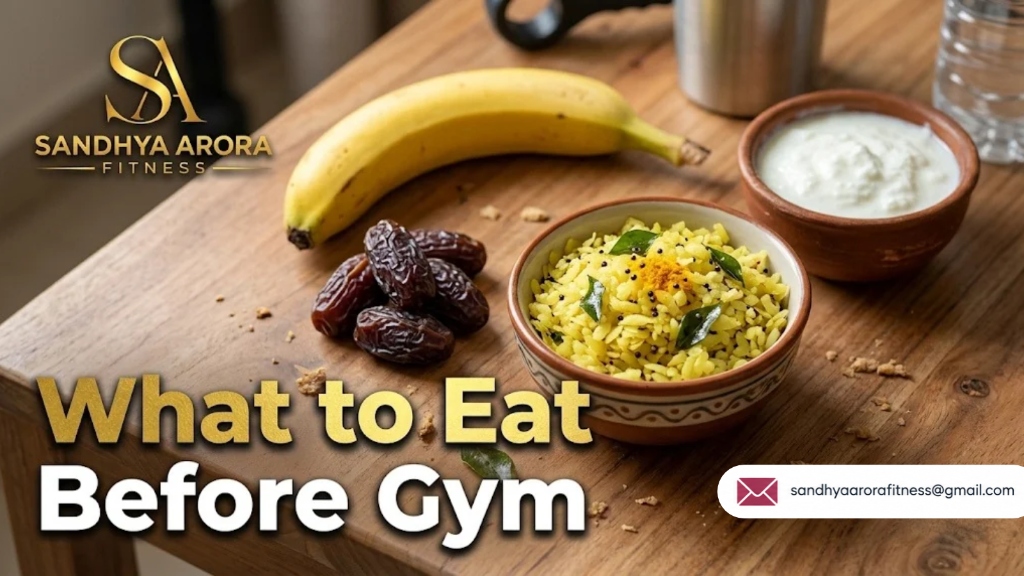
"Before gym what to eat?" It is easily one of the most frequent questions I receive from clients across India, and it almost always gets asked at the worst possible moment: standing half-awake in front of an open refrigerator at 5:45 a.m., or sitting exhausted at an office desk at 5:15 p.m. with an intense leg workout looming in forty-five minutes.
Most advice floating across social media feeds and Western fitness websites throws out generic lists: oatmeal with blueberries, rice cakes with almond butter, or expensive powdered supplements. Very few explain how much you should actually consume, how those numbers shift dramatically based on whether you weigh 50 kilograms or 85 kilograms, or what you should do when your office meeting runs twenty minutes over and you have exactly twenty-five minutes before stepping onto the gym floor.
This comprehensive guide is the hands-on, practical companion to my in-depth foundational article on what to eat before a workout. While that guide delves into muscular physiology and digestion dynamics, this manual zeroes in on precise plate portions, an actionable week-long Indian meal template, 5-minute kitchen recipes, and targeted diagnostics for digestive issues like stomach cramps, mid-set acidity, and sudden energy crashes. Let us replace the guesswork with a clear, sustainable system.
The Quick Answer: What Should I Eat Pre Workout?
2 to 3 Hours Before the Gym: Aim for approximately 1.0 gram of carbohydrate per kilogram of body weight alongside a moderate dose of lean, easily digestible protein (0.25 to 0.4 g/kg), keeping dietary fat and rough fibre minimal. For a 65 kg person, that looks like a bowl of poha topped with a small cup of fresh curd, or two rotis with light dal and sabzi.
30 to 60 Minutes Before the Gym: Cut the carbohydrate portion in half to roughly 0.5 grams per kilogram of body weight, relying on rapid, easily absorbed carbohydrates with practically zero fat or heavy fibrous bulk. For that same 65 kg individual, a medium ripe banana with a slice of bread, or two soft Medjool dates with a glass of water, delivers instant bloodstream glucose without stomach slosh.
Always listen closely to your gastrointestinal tract. If a specific portion leaves you feeling weighed down or bloated, reduce it slightly; if your stomach starts growling loudly halfway through your third set of squats, increase the pre-workout carbohydrate quotient by 15 to 20 grams next time.
What to Eat Before Gym Depends on Four Critical Things
In fitness nutrition, one size never fits all. What turns an athlete into a powerhouse can cause severe nausea in a beginner who trains at dawn. The ideal choice changes based on four physiological and logistical factors:
Your Time Runway
Gastric emptying rate dictates everything. A solid cooked meal containing complex carbohydrates and lean protein requires 2 to 3.5 hours to clear your stomach and enter the small intestine for absorption. If you only have 20 to 30 minutes before your workout starts, eating heavy foods will cause acute nausea and cramping as blood is forcibly diverted from digestion to working muscles. Time is your primary decision filter.
Session Intensity & Type
An explosive leg workout featuring heavy squats and deadlifts places vastly different metabolic demands on your body than a 45-minute steady-state treadmill jog or an evening restorative mobility routine. High-force resistance training and high-intensity interval training (HIIT) burn through intracellular muscle glycogen rapidly and demand a lighter stomach to avoid intra-abdominal pressure reflex reflux.
Your Total Body Mass
A 50 kg woman working toward sustainable fat loss requires completely different pre-gym energy than an 85 kg man performing hypertrophy-focused strength training. Copying a popular bodybuilder's meal plan without scaling for your personal body weight is one of the quickest routes to digestive sluggishness and unwanted calorie surpluses.
Individual Gut Clearance
Digestion is deeply personal. One individual can drink a glass of whole milk and jump directly into box jumps without an issue, while another experiences immediate cramping, bloating, or acid reflux from a handful of almonds. Understanding how your digestive system handles fats, dairy, spices, and dietary fibre is paramount to athletic performance.
How Much Should You Eat? Exact Portions by Body Weight
Consensus statements from major sports nutrition authorities, including the American College of Sports Medicine (ACSM) and the International Society of Sports Nutrition (ISSN), recommend consuming 1 to 4 grams of carbohydrate per kilogram of body weight in the 1 to 4 hours leading up to vigorous exercise. The upper reaches of this continuum (3 to 4 g/kg) are strictly reserved for ultra-endurance athletes, marathoners, and triathletes competing in events lasting several hours.
For a standard 45 to 75-minute gym session focusing on strength training, functional circuits, or hypertrophy, I recommend the pragmatic lower boundary: roughly 1.0 g of carbohydrate per kg if eating 2 to 3 hours ahead, or about 0.5 g/kg if you have under an hour. Pair this with 0.25 to 0.40 grams of protein per kg to elevate circulating branch-chain amino acids and suppress muscular catabolism during training.
| Body Weight | Carbs: 2–3 Hours Before (1.0 g/kg) | Carbs: 30–60 Min Before (0.5 g/kg) | Protein Target (0.25–0.4 g/kg) | Real-World Indian Meal Example |
|---|---|---|---|---|
| 50 kg | approx. 50 g | approx. 25 g | 12 to 20 g | 1 medium banana + 1 slice whole-wheat toast with 1 tsp peanut butter |
| 60 kg | approx. 60 g | approx. 30 g | 15 to 24 g | 1 cup cooked poha with peanuts + 100 g low-fat curd |
| 65 kg | approx. 65 g | approx. 33 g | 16 to 26 g | 2 small rotis + 1 bowl yellow dal + 1 boiled egg or 50g paneer |
| 70 kg | approx. 70 g | approx. 35 g | 18 to 28 g | 2 medium idlis + sambar + 2 boiled egg whites or 60g paneer |
| 80 kg | approx. 80 g | approx. 40 g | 20 to 32 g | 1.5 cups cooked rice + 1 bowl dal + 100g grilled chicken or paneer |
| 90 kg | approx. 90 g | approx. 45 g | 22 to 36 g | 50g dry rolled oats cooked in 250ml milk + 1 sliced banana + 2 boiled eggs |
Use these numbers as calibrated starting baselines. If you are training during a severe caloric deficit as part of a targeted fat loss plateau intervention, keep portions on the leaner end of the range. Conversely, if you are actively engaged in hypertrophy training following our bodybuilding muscle diet guide, use the upper protein and carbohydrate thresholds to support maximum training volume.
What Common Indian Foods Actually Give You
Understanding nutrient density transforms abstract numbers into practical kitchen decisions. Below are approximate macronutrient values for staple items found in virtually every Indian home, based on standard kitchen measures and verified against data from the Indian Food Composition Tables published by the National Institute of Nutrition (NIN) in Hyderabad:
| Indian Kitchen Food Item | Serving Size (Approx.) | Carbohydrates | Protein | Fat Content | Ideal Pre-Gym Timing Window |
|---|---|---|---|---|---|
| Ripe Banana | 1 medium (118 g) | approx. 27 g | 1.2 g | 0.3 g (very low) | 20 to 45 minutes before |
| Medjool Dates | 2 soft dates (48 g) | approx. 36 g | 0.8 g | 0.1 g (trace) | 15 to 30 minutes before |
| Wheat Roti (Phulka) | 1 medium (6-inch, no ghee) | approx. 18 g | 3.2 g | 0.5 g | 2 to 3 hours before |
| Steamed White Rice | 1 medium katori / cup cooked | approx. 38 g | 3.5 g | 0.4 g | 2 to 2.5 hours before |
| Cooked Poha (Flattened Rice) | 1 plate / cup cooked | approx. 32 g | 3.2 g | 3 to 5 g (with light oil) | 90 to 120 minutes before |
| Steamed Idli | 2 medium pieces | approx. 22 g | 4.0 g | 0.6 g | 90 to 120 minutes before |
| Rolled Oats | 40 g dry measure | approx. 26 g | 5.2 g | 2.8 g | 90 to 120 minutes before |
| Besan Chilla (Gram Flour) | 1 medium chilla (light oil) | approx. 16 g | 6.5 g | 4.2 g | 2 to 2.5 hours before |
| Roasted Chana Sattu | 2 tablespoons (30 g) | approx. 18 g | 6.2 g | 1.8 g | 45 to 60 minutes before |
| Whole Boiled Egg | 1 large egg (50 g) | 0.5 g | 6.3 g | 4.8 g | 90 to 120 minutes before |
| Low-Fat Curd (Dahi) | 1 small bowl (100 g) | approx. 4.2 g | 3.8 g | 1.5 to 3.0 g | 90 to 120 minutes before |
| Natural Peanut Butter | 1 level tablespoon (16 g) | approx. 3.2 g | 3.8 g | 8.0 g (high fat) | 75 to 90 minutes before |
Pay close attention to foods like peanut butter, whole eggs, nuts, and oil-fried snacks. While natural fats and dietary fibres are essential for general health, they act as mechanical brakes on digestion. Fat slows gastric emptying by triggering the release of cholecystokinin (CCK) in your duodenum. Eating fat-heavy or high-fibre foods 20 minutes before high-intensity lifting traps blood in your gut, leading to acid reflux, stomach slosh, and lethargy.
A 7-Day Pre-Gym Meal Plan with Everyday Indian Foods
Here is a complete, real-world 7-day meal plan mapped to different training stimuli, times of day, and dietary preferences. Feel free to swap days depending on your personal gym split, and scale the quantities according to the body-weight chart above.
| Day & Workout Split | Training Hour | Fueling Window | Vegetarian Meal Option | Egg / Non-Vegetarian Option | Hydration Focus |
|---|---|---|---|---|---|
| Monday: Heavy Leg Day (Squats, Lunges, Presses) |
6:00 p.m. | 90 minutes before (4:30 p.m.) | 2 slices whole-wheat toast spread with 1 tbsp peanut butter and 1 sliced ripe banana. | 1 slice toast with 1 boiled egg, plus 1 medium banana. | 350 ml plain water + pinch of pink Himalayan salt. |
| Tuesday: Morning Cardio (Jogging, Rowing, Intervals) |
6:30 a.m. | 30 minutes before (6:00 a.m.) | 1 medium banana and 2 soft Medjool dates with 200 ml room-temperature water. | Same as vegetarian option (keep morning digestion extremely light). | 250 ml warm water with half a squeezed fresh lemon. |
| Wednesday: Upper Body Hypertrophy (Chest, Back, Arms) |
7:00 p.m. | 2 hours before (5:00 p.m.) | 2 steamed idlis with mild vegetable sambar and 1 small cup fresh dahi. | 2 steamed idlis with sambar and 2 boiled egg whites on the side. | 300 ml coconut water or plain water. |
| Thursday: High-Intensity HIIT (Kettlebells, Burpees, Sprints) |
6:00 a.m. | 30 minutes before (5:30 a.m.) | 2 Medjool dates paired with fresh nimbu pani (lemon water + pinch of rock salt). | Same as vegetarian option (avoid heavy proteins before jumping). | 300 ml electrolyte-rich nimbu pani. |
| Friday: Full Body Compound (Deadlifts, Pull-ups, Overhead) |
5:30 p.m. | 75 minutes before (4:15 p.m.) | 40g rolled oats cooked in 150ml milk, topped with half a sliced apple and a dash of cinnamon. | 40g oats cooked in water with cinnamon, paired with 2 whole boiled eggs on the side. | 1 cup light black coffee (optional for caffeine lift) + 250 ml water. |
| Saturday: Long Run / Circuit (Outdoor 8–10k or Functional) |
7:00 a.m. | 90 minutes before (5:30 a.m.) | 1 generous katori of light vegetable poha with roasted peanuts and a small bowl of curd. | 1 katori vegetable poha accompanied by 1 whole boiled egg. | 400 ml tender coconut water for potassium and natural sugars. |
| Sunday: Active Recovery & Yoga (Mobility, Stretching, Core) |
8:00 a.m. | 40 minutes before (7:20 a.m.) | 1 small ripe banana, or simply 300 ml warm herbal tea or water if training unfed feels better. | Same as vegetarian option (keep recovery sessions low in digestive load). | 350 ml water with fresh mint leaves and cucumber slices. |
Why is this weekly plan structured this way? Early morning workouts feature quick-digesting monosaccharides and disaccharides that hit your bloodstream within twenty minutes without requiring your digestive organs to churn heavily. Evening sessions, scheduled hours after lunch, utilize substantial complex carbohydrates to top off glycogen stores drained by an eight-hour workday.
Three 5-Minute Pre-Workout Recipes You Can Make in Any Indian Kitchen
Effective fitness nutrition does not require thirty minutes of complex kitchen prep, specialty blenders, or imported health foods. Here are three simple, nutrient-dense recipes that clients in our nutrition coaching programs rely on every week:
Ingredients: 1 or 2 slices whole-wheat or multigrain bread, 1 tablespoon unsweetened natural peanut butter, 1 medium ripe banana sliced, optional sprinkle of cinnamon.
Method: Lightly toast the bread until crisp. Spread the peanut butter evenly across the warm slices. Top with banana rounds. Consume 60 to 90 minutes before your workout. It provides roughly 40g of steady carbohydrates, 7g of protein, and healthy fats that prevent mid-workout hunger pangs.
Ingredients: 2 tablespoons (30g) pure roasted gram flour (chana sattu), 250ml chilled water, juice of half a lemon, a generous pinch of black salt (kala namak), and roasted cumin powder (bhuna jeera).
Method: Whisk the sattu into chilled water until smooth. Stir in the lemon juice and spices. Drink 45 to 60 minutes before training. This traditional Indian power drink delivers 18g of clean complex carbs, 6g of plant protein, natural electrolytes, and superior gut-cooling properties for hot climates.
Ingredients: 40g rolled oats, 150ml milk or unsweetened almond milk, half a chopped apple or banana, 1 pinch cardamom powder.
Method: In a glass jar, mix the dry rolled oats and milk thoroughly. Seal and refrigerate overnight. In the morning, top with fresh fruit and enjoy cold without cooking. Consume 60 to 90 minutes before hitting the gym for sustained, slow-release glycogen without heavy digestive strain.
What to Drink Before the Gym: Hydration & The DIY Sweat Test
What you drink leading up to your workout determines your endurance, muscular force output, and core thermoregulation just as much as what you eat. Even a mild 1.5% to 2% loss of body weight through perspiration dramatically impairs neuromuscular firing rate, reduces aerobic power, and accelerates perceived fatigue.
In hot or humid Indian weather, relying on tap water alone during intense training often fails to prevent cramping because significant sodium and potassium are lost through sweat. Here is how your pre-workout beverages rank:
- Clean Water: The undisputed anchor. Sip 300 to 500 ml over the 90 minutes before stepping into the gym, rather than chugging a whole litre five minutes before your first set, which only triggers gastric distension.
- Fresh Coconut Water (Nariyal Pani): Nature's electrolyte solution. Abundant in potassium, magnesium, and gentle glucose, coconut water is optimal 30 to 45 minutes before hot outdoor sessions or high-rep conditioning.
- Traditional Nimbu Pani with Black Salt: A homemade champion. Fresh lemon juice combined with water and a pinch of black salt provides natural sodium chloride and bioflavonoids, supporting rapid plasma volume expansion without artificial dyes.
- Black Coffee: Consumed 45 to 60 minutes prior, caffeine acts as an adenosine-receptor antagonist, dampening pain perception and increasing motor unit recruitment. Keep it unmilked and unsweetened if fat loss is your priority, and skip it if you train within six hours of bedtime.
- Indian Masala Chai: A small cutting cup of chai 45 minutes prior can provide a pleasant morning mental lift, but heavily boiled dairy fats and large spoonfuls of refined white sugar can trigger heartburn during heavy core bracing.
- Fizzy Energy Drinks & Carbonated Sodas: Avoid them before heavy training. Carbonation causes acute gastric distension, while extreme doses of artificial sweeteners often produce urgent intestinal distress during squats.
The 60-Minute DIY Gym Sweat Test
Perform this simple test once over the coming week to quantify your unique fluid requirements under your regular gym conditions:
What to Eat Before Gym for Different Lifestyles
A corporate manager in Gurugram, a college student living in a Delhi hostel, and a mother managing a household each face distinct dietary obstacles. Here is how to tailor your pre-gym fueling to your daily routine:
1. Corporate & Desk Professionals (The 5:30 p.m. Slump)
The single greatest obstacle for office professionals is the hazardous 5-hour nutritional gap between a 1:00 p.m. cafeteria lunch and a 6:30 p.m. gym session. By the time you reach the gym locker room, circulating blood glucose is low, mental fatigue is high, and willpower is depleted. The simple fix: keep portable, non-perishable fuel in your desk drawer. A small packet of roasted chana, roasted makhana, or a banana eaten between 4:45 p.m. and 5:15 p.m. will completely prevent the sudden fatigue that ruins evening training sessions.
2. College Students & Hostel Residents
You do not need costly tubs of branded workout supplements to build an impressive physique. Everyday Indian grocery staples provide exceptional performance nutrition at a fraction of the price. Bananas from the local fruit stall, peanut butter spread on brown bread, hard-boiled eggs from a neighborhood vendor, and fresh curd from the mess provide everything your body requires to excel in our 1-on-1 personal training and strength protocols.
3. Complete Fitness Beginners
If you have just begun training within the last two months, resist the temptation to overcomplicate your nutrition. For a modest 35 to 45-minute beginner workout, your glycogen demands are moderate. A light, familiar snack eaten 30 to 45 minutes prior—such as one ripe banana or two small dates—is plenty. Focusing on establishing workout consistency and proper lifting mechanics yields ten times more return than stressing over micro-nutrient timing.
4. Active Women & Hormonal Considerations
Resting metabolic rate, carbohydrate oxidation, and insulin sensitivity fluctuate across the follicular and luteal phases of the menstrual cycle. Many female trainees experience increased hunger, fatigue, or core bloating in the late luteal phase (the week prior to menstruation). Consuming a slightly larger pre-workout carbohydrate portion during this window supports serotonin synthesis and prevents early burnout. Furthermore, prioritizing iron-rich whole foods like roasted chana, spinach, and sprouted lentils across your broader daily diet protects against exercise-induced anemia.
5. Adults Over 40
Metabolic flexibility and gastric motility change gradually with age. Heavy, greasy foods take longer to clear the stomach, while muscle protein synthesis requires a higher threshold of essential amino acids (specifically leucine) to trigger muscular recovery. Older lifters thrive on easily digestible whole foods paired with clean protein: a bowl of low-fat curd with berries, or two soft boiled eggs with a slice of whole-wheat sourdough 90 minutes prior, provides steady cellular stamina without gastrointestinal weight.
6. Late-Evening & Shift Workers (Training at 8:30–10:00 p.m.)
If your schedule forces you to train late at night, your pre-workout meal must not sabotage your sleep quality. Consuming heavy curries or caffeinated pre-workout drinks at 9:00 p.m. will delay melatonin production, prolong sleep latency, and impair nocturnal growth hormone release. Stick to a light snack like a banana with a few tablespoons of dahi before lifting, and save your primary meal for thirty minutes post-workout, keeping it easy to digest.
Troubleshooting: What Your Body Is Telling You During Workouts
When you feel nauseous, weak, or bloated during a training session, your body is providing immediate diagnostic biofeedback about your recent nutrition. Use this clinical troubleshooting chart to diagnose and resolve symptoms quickly:
| Physical Symptom | Root Physiological Mechanism | Immediate Dietary Correction |
|---|---|---|
| Stomach Nausea or Sharp Cramping | Meal portion was too large, eaten too close to exercise, or excessively high in fat and insoluble fibre, trapping blood in the gut. | Increase digestion window to at least 90–120 minutes; cut portion in half; stick to simple low-fibre carbs like ripe bananas or toast. |
| Heavy, Sluggish "Lead" Legs | Depleted intramyocellular glycogen stores from undereating carbohydrates, combined with subclinical dehydration. | Consume an additional 25–35g of easily digested carbohydrates 60 minutes prior; increase baseline daily water intake by 500–750 ml. |
| Shakiness, Cold Sweats & Dizziness | Acute exercise-induced hypoglycemia resulting from an excessive fasting gap (5+ hours) before training. | Consume 15–20g of fast-acting glucose immediately (banana, dates, or fruit juice); never train intensely on an empty stomach. |
| Acid Reflux, Heartburn or Burning Throat | Spicy curries, oily parathas, or acidic black coffee relaxing the lower esophageal sphincter, exacerbated by abdominal bracing. | Eliminate spicy foods and coffee within 3 hours of gym time; select alkaline, gentle foods like plain oats, idlis, or bananas. |
| Abdominal Bloating & Trapped Gas | Fermentable oligosaccharides, disaccharides, monosaccharides, and polyols (FODMAPs) from raw salads, legumes, or sugar alcohols in protein bars. | Avoid raw salads, rajma, chana, or artificially sweetened protein bars in the 3 hours before lifting; switch to white rice or poha. |
| Energy Spike Followed by Sudden Mid-Set Crash | Reactive hypoglycemia triggered by consuming high-glycemic candy, fruit juice, or sugary sodas 20 minutes before training. | Pair your pre-workout carbohydrates with a small dose of protein (e.g., toast with egg or curd), or consume carbs 45–60 minutes earlier. |
"Your stomach during a workout is a truth-teller. If you feed it heavy oils, fiery spices, or excessive bulk, it will fight your muscles for blood flow every single rep."
Five Pre-Workout Nutrition Myths That Ruin Gym Performance
Fitness misinformation travels fast in gyms and WhatsApp groups. Let us dissect five persistent pre-workout myths using modern sports science:
Myth 1: You Must Take Pre-Workout Powder
The Reality: Commercial pre-workout powders are primarily expensive vehicles for massive doses of caffeine (often 250 to 400 mg per scoop), artificial coloring, and small doses of beta-alanine. Real whole food—such as a banana with a cup of home-brewed black coffee and a glass of salted lemon water—provides comparable performance benefits at a fraction of the cost, without the risk of heart palpitations or insomnia.
Myth 2: Fasted Workouts Burn Exponentially More Fat
The Reality: While exercising in a fasted state may temporarily increase acute fat oxidation during low-intensity movement, extensive peer-reviewed trials demonstrate zero significant difference in 24-hour fat loss between fed and fasted training when total daily caloric deficit is equated. For high-intensity lifting, training fasted usually diminishes strength and power output, reducing total calories burned.
Myth 3: Carbs Before Gym Will Make You Gain Weight
The Reality: Carbohydrates consumed within the pre-exercise window are preferentially directed into muscle cells to fuel muscular contraction via glycolysis, not stored as adipose tissue. Body fat accumulation is determined by your net weekly energy balance over time, not by eating a banana or a slice of toast before squatting.
Myth 4: You Must Wait Exactly 60 Minutes After Eating
The Reality: Digestion time is not a rigid universal timer; it is entirely determined by the food's macronutrient density and portion size. A 600-calorie meal containing paneer parathas, butter, and curd requires 2.5 to 3.5 hours to clear. Conversely, a small ripe banana or two soft dates can be consumed 20 minutes before lifting with complete gastrointestinal comfort.
Myth 5: A Pre-Gym Protein Shake is Mandatory
The Reality: While circulating amino acids are beneficial for muscle preservation, you do not need to chug a thick whey protein shake right before exercising. Drinking a heavy protein shake close to your workout frequently causes bloating and nausea. Whole foods consumed earlier, or a protein-rich meal after your workout, will support your muscle-building goals just as effectively.
The Essential Pre-Gym Indian Grocery Checklist
Stocking your kitchen with the right staples ensures you never have to scramble or make poor nutritional choices before a workout. Keep these nutritious, readily accessible Indian foods in your pantry and fridge:
Your Weekly Kitchen Performance Checklist
Coach Sandhya's Golden Pocket Rules for Gym Fueling
If you take only a handful of core principles from this guide into your daily training life, make it these six non-negotiable rules:
- Prioritize Carbs First, Protein Second, Fat and Fibre Last: Carbohydrates supply explosive intra-muscular ATP; protein protects against breakdown; fats and fibres slow digestion down and belong further away from training.
- Respect the Time Clock: A full plated meal demands 2 to 3 hours of clearance. A light carbohydrate snack needs only 20 to 30 minutes. Always match your plate size to your watch.
- Scale by Your Body Mass, Not Your Friend's: Never copy someone else's pre-workout serving sizes blindly. Use the gram-per-kilogram formulas outlined in this guide.
- Hydrate Continuously, Do Not Chug: Sip water steadily throughout the working day. Gulping a litre of fluid in the gym locker room only leads to abdominal sloshing and cramps.
- Test New Foods on Easy Training Days: Never experiment with a new food item, drink, or supplement before an intense leg day, maximum-effort lifting test, or competitive fitness trial.
- Listen to Repetitive Gut Feedback: If a particular food item gives you gas, acidity, or cramps on two separate occasions, remove it from your pre-workout menu. Your digestive comfort is paramount.
When to Seek Personalised Clinical Guidance
While the guidelines in this article are rooted in exercise science and proven coaching practices, individual medical circumstances must always take priority over general fitness advice. Please consult your physician or a registered clinical dietitian before altering your diet or exercise habits if you have:
- Type 1 or Type 2 Diabetes: Exercise significantly increases GLUT-4 transporter activity, drawing glucose into muscle cells independently of insulin. Exercising without personalized carbohydrate and medication adjustments can precipitate severe, life-threatening hypoglycemia.
- Polycystic Ovary Syndrome (PCOS / PCOD): Insulin resistance requires carefully balanced low-glycemic pre-workout carbohydrate selections to prevent blood sugar and androgen spikes.
- Gastroesophageal Reflux Disease (GERD) or Chronic Gastritis: High-intensity intra-abdominal pressure can exacerbate acid reflux, requiring specialized meal timing and low-acid food choices.
- Thyroid Conditions, Kidney Disease, or Cardiovascular Issues: Fluid balance, sodium intake, and protein loads must be calibrated to your medical treatment plan.
- Pregnancy or Postpartum Nursing: Caloric and hydration requirements are substantially elevated, requiring individual clinical care.
Similarly, if you consistently experience unexplained dizziness, tunnel vision, chest tightness, or heart palpitations during physical activity, stop exercising immediately and schedule a comprehensive clinical medical checkup.
Frequently Asked Questions
What to eat before gym in the morning if I have no appetite?
Start small. Half a ripe banana, one or two soft dates, or a few sips of coconut water can be plenty 20 to 30 minutes before training. When you wake up, your digestive tract is in a rested state and forcing a large bowl of oats often leads to nausea. Over two to three weeks of consistent morning fueling, your stomach adapts and you will naturally be able to tolerate a slightly larger portion if your session demands it.
Can I have tea or chai before the gym?
Yes, in moderation. A small cup of chai taken about 45 minutes before training is fine for most people. Chai contains mild caffeine that improves alertness and neuromuscular drive, though typically less than black coffee. However, heavily boiled milk and refined sugar can feel heavy or trigger mild acid reflux during vigorous movement, so observe how your digestive system tolerates it.
Is peanut butter good before a workout?
Yes, but strictly in measured amounts and with adequate timing. A single teaspoon or tablespoon of natural peanut butter spread on toast 60 to 90 minutes before the gym provides steady energy and amino acids. Because peanut butter is fat-dense, consuming large portions within 30 minutes of lifting will significantly delay gastric emptying and can cause sluggishness or stomach cramps.
Can I eat rice before the gym?
Yes. White or parboiled rice is an outstanding, easily digestible carbohydrate source that replenishes muscle glycogen rapidly. Consume a modest portion (around 1 cup cooked) 2 to 3 hours before your gym session, paired with a moderate serving of dal, boiled eggs, or grilled paneer. Keep cooking oils, heavy gravies, and fiery chillies light so digestion proceeds comfortably.
What should I eat before gym if I have acidity?
Stick to gentle, low-fat, low-acid foods such as a ripe banana, plain rolled oats cooked in water or diluted milk, toasted white or whole-wheat bread, or steamed idlis. Steer clear of spicy curries, citrus fruits on an empty stomach, oily parathas, and strong black coffee. Allow at least 90 to 120 minutes of clearance before training, and consult a physician if acid reflux is chronic.
What can I eat before working out if I am diabetic?
Diabetic gym-goers require individualised medical supervision because pre-workout food choices directly influence medication dosage, blood glucose stability, and workout safety. In general, pairing low-glycemic complex carbohydrates with a lean protein (such as besan chilla or oats with curd) provides steady glucose release. Always test your blood glucose prior to training, never exercise with severe hypoglycemia or ketosis, and carry fast-acting glucose tablets or fruit at all times.
Is it bad to work out right after eating?
After a substantial full meal, yes. Exercising immediately after a large plate of food forces your cardiovascular system to split blood flow between digestive organs and working muscles, resulting in sluggishness, abdominal cramping, and nausea. Allow 2 to 3 hours after a solid meal. However, after a quick, simple carbohydrate snack like a banana or 2 dates, 20 to 30 minutes of digestion time is typically sufficient.
What should I eat pre workout for muscle gain?
For muscle hypertrophy, aim for a substantial pre-workout meal 2 to 3 hours prior that supplies approximately 1 to 1.2 grams of carbohydrate and 0.3 to 0.4 grams of protein per kilogram of body weight. Great Indian options include rice with dal and paneer, chicken breast with roti, or oatmeal cooked in milk topped with banana and crushed almonds. This floods muscle cells with glycogen and amino acids to power heavy compound lifts.
Coach's Final Thoughts: Consistency Over Perfection
Mastering what to eat before the gym does not require complicated nutrition formulas, exotic superfoods, or unproven workout supplements. It comes down to respecting three core pillars: timing your meals intelligently, scaling portions to your body weight, and prioritizing digestive comfort.
Use the 7-day meal plan above as your working template. Notice how your body responds during heavy compound lifts or cardio intervals, track your energy levels, and make small, intentional adjustments. When your pre-workout nutrition is dialed in, your workouts transform from an uphill battle into an energizing, empowering part of your day.
Remember that pre-workout nutrition is only the first half of the performance puzzle. To accelerate tissue repair, prevent prolonged muscle soreness, and stimulate lean muscle growth, explore our companion guides on post-workout nutrition that speeds recovery and top muscle recovery foods.
If you are looking for a fully personalized fitness and nutrition plan tailored specifically to your body composition goals, busy work routine, and favorite Indian home foods, I would love to guide you. Discover our online fitness coaching programs, explore our transparent coaching pricing, or reach out directly to schedule a one-on-one consultation today.
Disclaimer: This article is published solely for educational purposes and does not replace individualized clinical medical or dietetic care. Always consult your physician or a registered clinical nutritionist before making substantial changes to your exercise or eating routine.